Plant group
Vegetable Companion Planting Chart
By the editorial team · Updated 2026-11-19 · Every pairing linked to its source
Quick answer. Group vegetables by plant family first. Relatives share pests and soil diseases, so they rotate together and rarely help each other. The useful partners usually come from a different family: basil or cilantro with tomatoes, onions with carrots and cabbage, arugula as a flea beetle trap for broccoli and kale.
Choose a plant
Nightshades
Squash family
Legumes

Cabbage family
Onion family
Root crops
Leafy greens & perennials
Corn & okra
This vegetable companion planting chart sorts 32 crops into the families botanists use. That order is deliberate. Family tells you two things at once: which crops get the same pests and soil diseases, and which crops should move together when you rotate beds each year.
Open any vegetable for its full list of friends and foes with sources, or read the family notes below for the pairings that matter most.
Nightshades and cucurbits
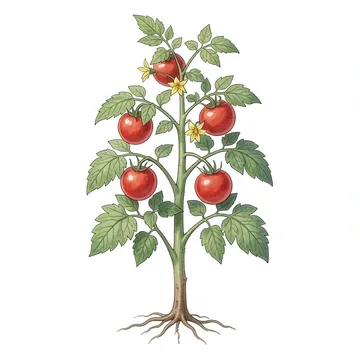
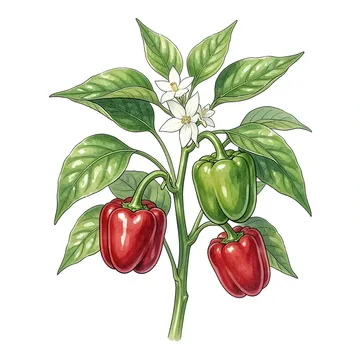
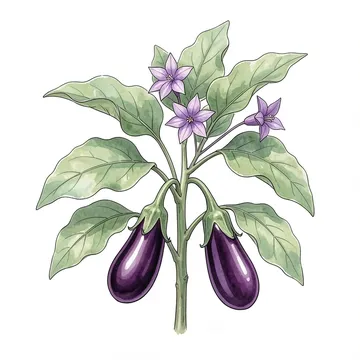
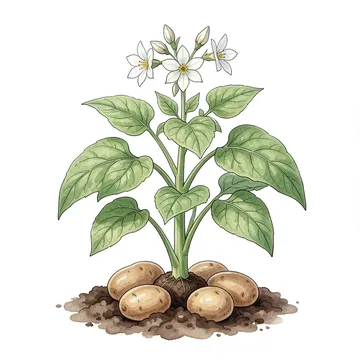
Nightshades (Solanaceae): tomato, pepper, eggplant and potato. They share late blight, Colorado potato beetle and Verticillium wilt. NDSU advises three years out of the family after potatoes, and it warns against growing tomatoes and potatoes side by side. Their best partners are outside the family: basil and cilantro for tomatoes, a sunflower border for peppers, dill strips for eggplant.
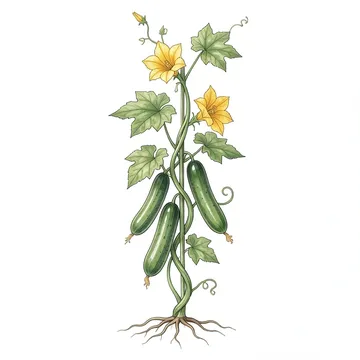
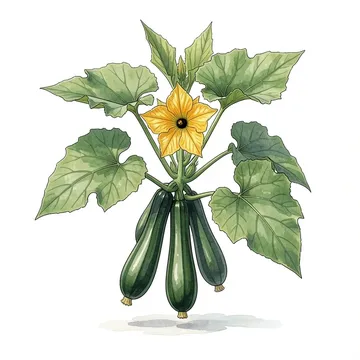
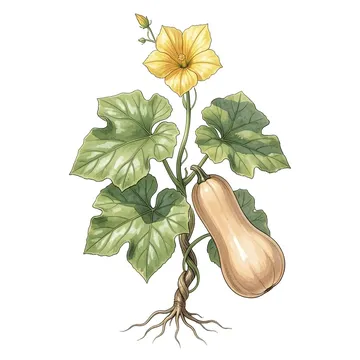
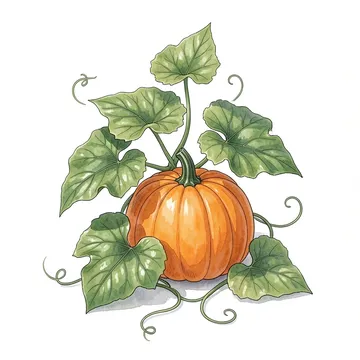
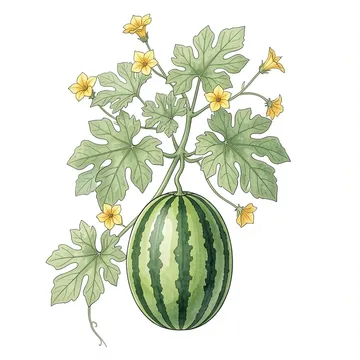
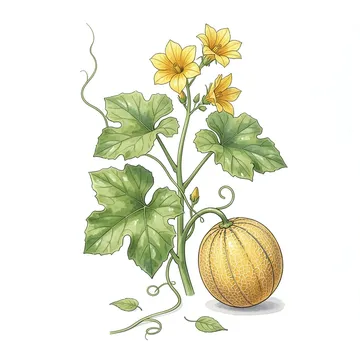
Cucurbits (Cucurbitaceae): cucumber, zucchini, winter squash, pumpkin, watermelon and cantaloupe. All need bees to set fruit, so flowering neighbors earn their space. A small Iowa study found marigolds and nasturtiums reduced squash bug and cucumber beetle damage. UC Davis and UF charts list potato as a poor match for squash and melons, a Traditional rating.
Legumes, brassicas and alliums
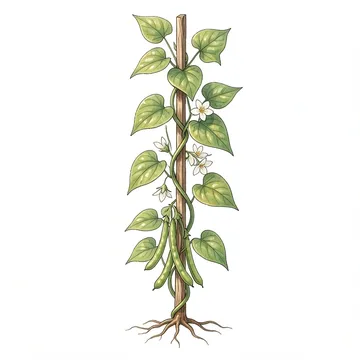
Legumes (Fabaceae): beans and peas. Pole beans climb sweet corn in the Three Sisters. Several extension charts list the onion family as stunting beans and peas; no trial was found, but it costs nothing to keep them in separate rows.
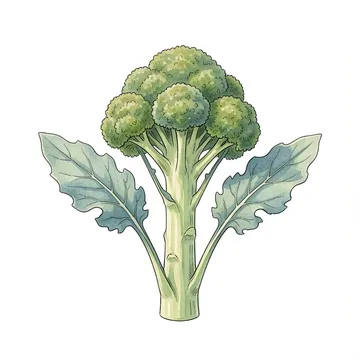
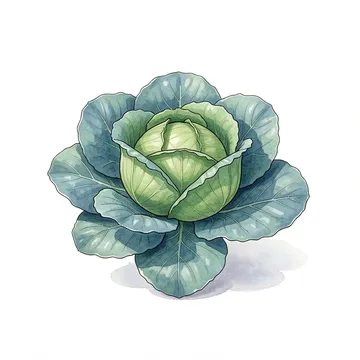
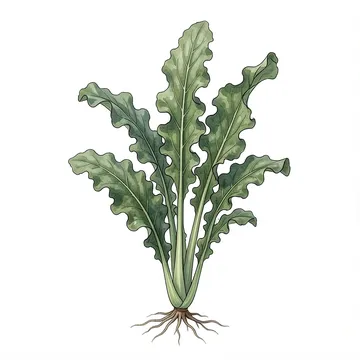
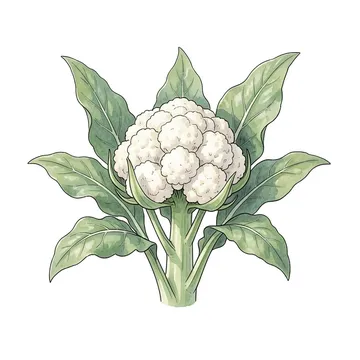
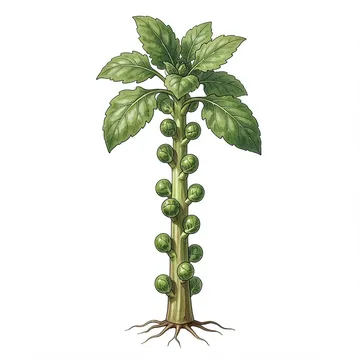
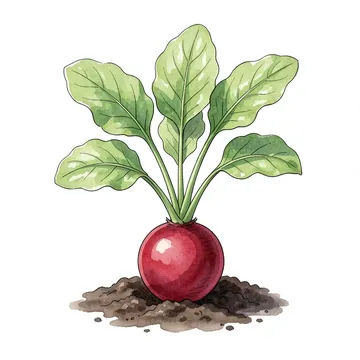
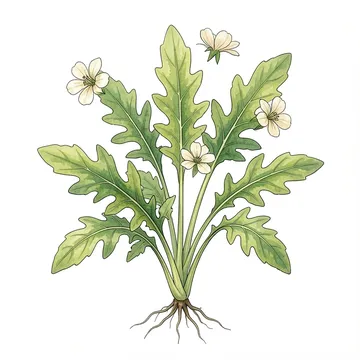
Brassicas (Brassicaceae): broccoli, cabbage, kale, cauliflower, Brussels sprouts, plus radish and arugula, which belong here for rotation even if you think of them as a root and a salad green. This family has the deepest research: Iowa trials found onions, thyme and nasturtiums reduced cabbage looper and imported cabbageworm damage on broccoli and cabbage, and an arugula strip sown 1-2 weeks early draws flea beetles away.
Alliums (Amaryllidaceae): onion and garlic. Young onions interplanted with carrots cut carrot fly in a UK trial. Garlic grows over winter, so it overlaps little with summer crops.
Roots, leafy greens and the odd ones out
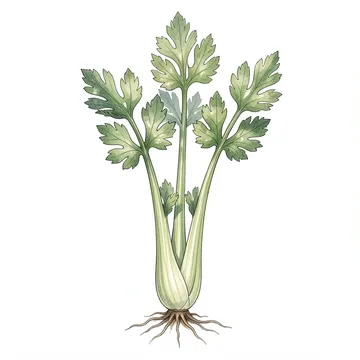
Carrot family (Apiaceae): carrot and celery, plus the herbs dill and parsley. They share carrot fly, so the UF chart keeps carrots and celery apart.
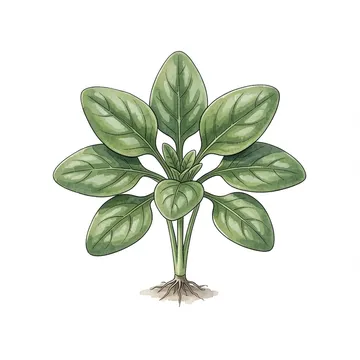
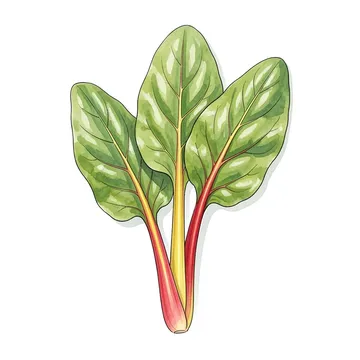
Beet family (Amaranthaceae): beet, spinach and Swiss chard. No firm foes were sourced. Spinach sown early fits a bed that will later take tomato or pepper transplants.
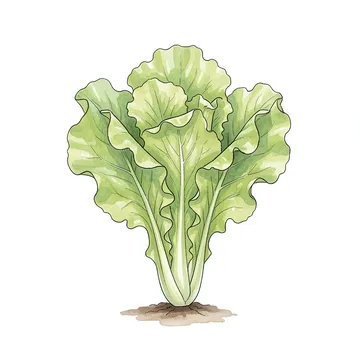
Daisy family (Asteraceae): lettuce. It has no listed bad companions in the UF chart, and it bolts later when grown in the shade of tomatoes, eggplant or corn.
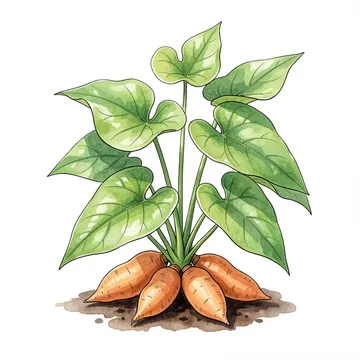
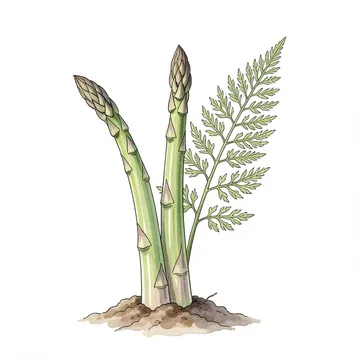
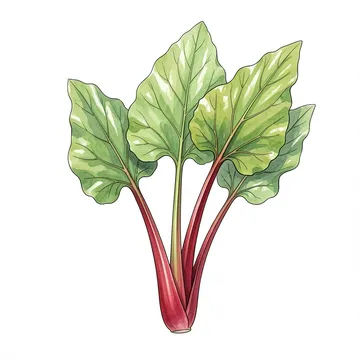
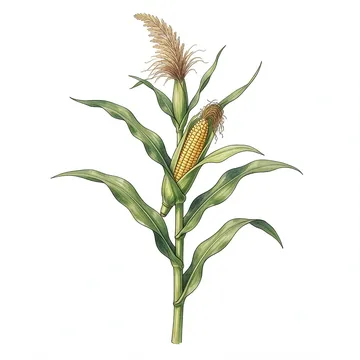
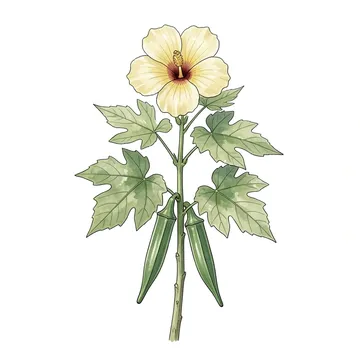
Families of their own: sweet potato (Convolvulaceae, not a nightshade despite the name), okra (Malvaceae), sweet corn (Poaceae), and the perennials asparagus and rhubarb, which stay put and sit outside the rotation. Give the perennials a permanent bed edge and plan companions around them.
Vegetable companion planting chart: strongest pairs
- Tomato and lettuce, early season: lettuce uses the shaded space before tomatoes fill in (Oregon State).
- Spinach first, then peppers or tomatoes slotted in as you harvest (University of Minnesota).
- Onion with carrot while the onions are young and leafy (Proven, UK field trial).
- Arugula ahead of every brassica as a flea beetle trap (Proven).
- Corn, pole beans and pumpkin in a Three Sisters block, with generous spacing so squash doesn't smother the beans (Proven, Cornell; Iowa State saw bean yields drop when crowded).
To move these families around your beds year to year, follow the crop rotation guide.
Free printable PDF
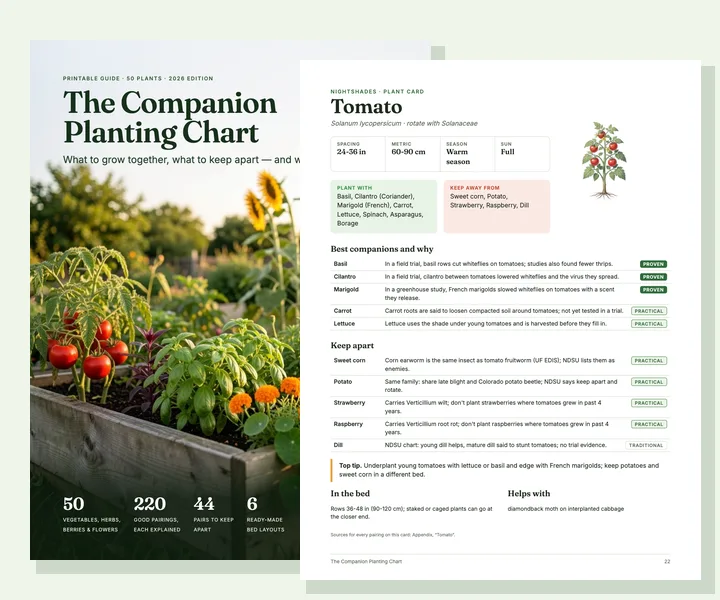
Get the complete companion planting chart
Get all 32 vegetable cards for a garden binder, each with spacing, family and its friends and foes on one printable page.
- 1-page fridge chart + full 50 × 50 matrix
- 50 plant cards with spacing and reasons
- 6 bed plans drawn to scale
- US Letter and A4
Frequently asked questions
Which vegetables grow well together?
Pairs from different families with a clear job tend to work: tomatoes with basil, carrots with young onions, cabbage with onions or dill, cucumbers with nasturtiums, corn with pole beans and pumpkin. Same-family crops, such as tomatoes and potatoes, share diseases and are better kept in separate beds.
What vegetables should not be planted close together?
The firmest rules are tomato with potato (shared late blight), tomato with sweet corn (corn earworm also attacks tomato fruit), and sprawling sweet potatoes with pumpkins or winter squash, whose vines tangle. Charts also separate carrots from celery and dill, and keep onions and garlic away from beans and peas, though those last ratings are Traditional.
Can I plant zucchini next to tomatoes?
Yes. None of our sources lists them as foes, and they belong to different families, so they don't share the nightshade diseases. The practical limit is space: zucchini needs about 24 inches (60 cm) per plant and spreads wide, so set it at the bed edge where it won't shade young tomatoes.
Can you plant peppers and cucumbers together?
Yes. Neither appears on the other's foe list, both are warm-season crops that want full sun, and they sit in different rotation families. Trellis the cucumbers so they don't sprawl over the peppers, and give peppers 12-24 inches (30-60 cm) in rows about 36 inches (90 cm) apart.