Leafy greens & perennials
Spinach Companion Plants: What Grows Well With Spinach
By the editorial team · Updated 2026-11-19 · Every pairing linked to its source
Quick answer. The best spinach companion plants are tomatoes and peppers, used in succession: sow spinach early, then transplant them in as you harvest it. Peas, radish, onions, cabbage, cauliflower and strawberries are traditional partners. No bad companions are listed for spinach; just rotate it with beets and Swiss chard, its relatives.
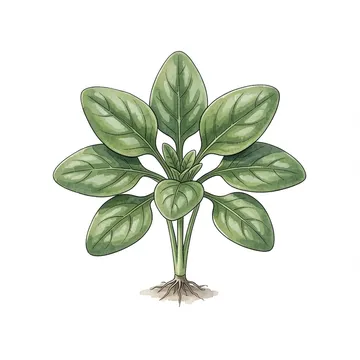
- Spacing
- 3-6 in · 8-15 cm
- Season
- Cool season
- Sun
- Partial
- Rotate with
- Amaranthaceae (formerly Chenopodiaceae)
Spinach is a cool-season leafy crop that handles partial shade. Plants go 3–6 in (8–15 cm) apart in rows 12–18 in (30–45 cm) wide. It's ready to sow as soon as the soil can be worked in spring, and it's usually finished before summer heat arrives.
That early window is spinach's real value as a companion. It fills beds that would otherwise sit empty while you wait for the soil to warm for tomatoes and peppers. No pest research in our sources involves spinach companions, so this is a page about timing and space rather than pest control.
Spinach companion chart
Good companions
| Plant | Why | Evidence | |
|---|---|---|---|
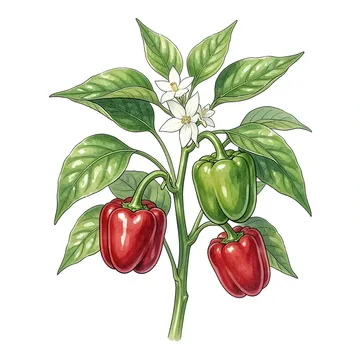
| Pepper | An early spinach crop shares the bed with peppers set in later. | Practical | source |
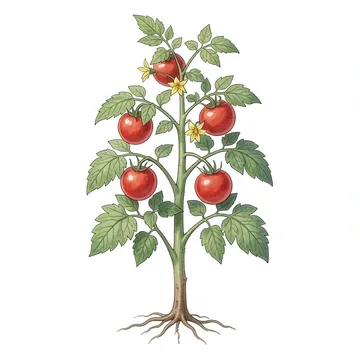
| Tomato | An early spinach crop shares the bed with tomatoes set in later. | Practical | source |
| Cabbage | The cabbage family is a traditional spinach companion; no trial yet. | Traditional | source |
| Cauliflower | Cauliflower is an old spinach companion; untested — try it and see. | Traditional | source |
| Celery | Celery is a traditional spinach partner; no trial evidence. | Traditional | source |
| Cilantro (Coriander) | Cilantro is a traditional spinach companion; no trial yet. | Traditional | source |
| Sweet corn | A traditional pairing; corn can shade spinach late in spring. | Traditional | source |
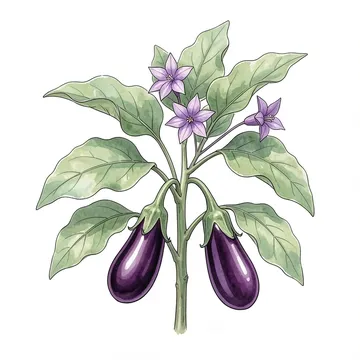
| Eggplant | Eggplant is a traditional spinach companion; no trial evidence. | Traditional | source |
| Onion | Onions are an old spinach partner; no trial yet. | Traditional | source |
| Peas | Both are cool-season crops, a traditional early spring pairing. | Traditional | source |
| Radish | Radish is a classic spinach companion; untested, but both are quick. | Traditional | source |
| Strawberry | Strawberries are a traditional spinach companion; no trial yet. | Traditional | source |
Keep apart
No well-documented conflicts. See the notes below for general cautions.
Proven Backed by a field trial or published study. Practical Recommended by a university extension or the RHS, with a clear reason. Traditional Gardener lore; no trial found yet.
What to Plant With Spinach
Succession partners (Practical)
- Tomato — University of Minnesota Extension describes sowing spinach early and transplanting tomatoes into the bed as the spinach is harvested.
- Pepper — the same succession works with peppers, which go out even later than tomatoes.
Cool-season neighbors (Traditional)
- Peas — the UF chart and Almanac list them together. Both are cool-season, and spinach fits at the base of a pea trellis.
- Radish — listed by UF and the Almanac; both are quick spring crops.
- Onion — the UF chart lists onions with spinach.
- Cabbage and cauliflower — on the UC Davis and UF cabbage-family lists. Spinach is cut while the brassicas are small.
- Celery — UF and the Almanac list it.
- Cilantro — paired with spinach on Oregon State's herb list and in the Almanac.
- Strawberry — listed by UC Davis and UF.
Warm-season neighbors (Traditional)
What Not to Plant Next to Spinach
No bad companions for spinach appear in any of our sources. That makes it one of the easiest crops to place.
The one planning point is family. Spinach belongs to Amaranthaceae along with beet and Swiss chard. They make fine neighbors, but treat them as one group in your crop rotation and don't follow one with another in the same bed.
That's unusual. Most vegetables on the extension charts collect at least one foe, often for a shared pest or a soil preference. Spinach has neither problem in our sources, which is why it works as a filler in so many different beds.
Spinach First, Tomatoes and Peppers Second
This succession is the strongest reason to grow spinach as a companion. A simple plan:
- Early spring: sow spinach in rows across the bed where tomatoes or peppers will go, leaving gaps at their spacing—24–36 in (60–90 cm) for tomatoes, 12–24 in (30–60 cm) for peppers.
- Planting-out time: set the tomato or pepper transplants into the gaps.
- Following weeks: keep cutting spinach around the young plants until it's finished.
The bed produces a crop for weeks before the summer vegetables would have used it.
Spinach With Peas and Lettuce
Spinach also fits a cool-season bed of its own. Sow it with peas on a trellis, radishes and lettuce, and harvest everything before the heat. All four are listed together in UF charts or the Almanac, and none is a foe of the others. When the bed clears, it's ready for a warm-season crop.
Free printable PDF
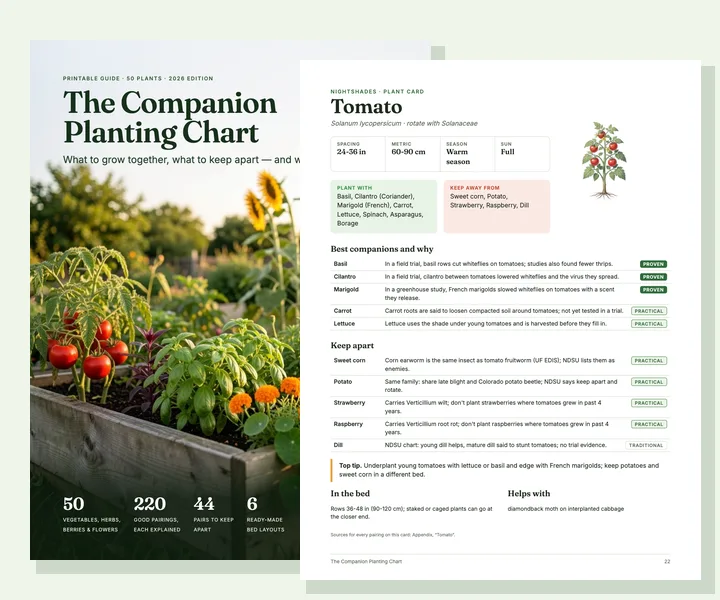
Get the complete companion planting chart
Use the season planner in the PDF to line up your spinach sowing with tomato and pepper transplant dates, so the same bed gives you two harvests.
- 1-page fridge chart + full 50 × 50 matrix
- 50 plant cards with spacing and reasons
- 6 bed plans drawn to scale
- US Letter and A4
Spinach With Cabbage-Family Transplants
Spinach also fits the early weeks of a brassica bed. UC Davis and UF list the cabbage family with spinach, and the UF chart names cauliflower specifically. Sow spinach between cabbage or cauliflower transplants when they go in; the brassicas are small for weeks, and the spinach is cut before their leaves spread. Corn, listed by UF, can shade spinach late in spring, which helps if warm days arrive early.
Does It Really Work?
The tomato and pepper succession is practical extension advice with an obvious benefit: two crops from one bed. The rest of spinach's list is chart tradition. With no foes listed, the biggest risk is simply sowing spinach too late, when warm weather cuts its season short.
Frequently asked questions
What plant grows well with spinach?
Tomatoes and peppers grow well with spinach in succession: University of Minnesota Extension suggests sowing spinach early and transplanting them in as you harvest. Peas, radishes, onions, cabbage, cauliflower, celery, cilantro and strawberries are traditional partners on UF, UC Davis and Oregon State charts and in the Almanac.
What should you not plant next to spinach?
None of our sources list a bad companion for spinach, so it can go almost anywhere. The one rule is rotation: spinach belongs to the same family as beets and Swiss chard, so don't sow it where either grew last season. Treat the three as one group when planning beds.
How close can spinach be planted together?
Space spinach 3–6 in (8–15 cm) apart in rows 12–18 in (30–45 cm) wide. When spinach shares a bed with tomatoes or peppers in succession, leave gaps in the rows at the larger crop's spacing so the transplants can go straight in as you harvest.
Can spinach and tomatoes grow together?
Yes, in sequence. University of Minnesota Extension recommends sowing spinach early in the bed and transplanting tomatoes in as the spinach is harvested. The spinach is finished before the tomatoes need the full space. Leave gaps of 24–36 in (60–90 cm) in the spinach rows for the tomato plants.