Plant group
Herb Companion Planting
By the editorial team · Updated 2026-11-19 · Every pairing linked to its source
Quick answer. Herb companion planting works best when you match herbs by soil first. Thyme, oregano, sage, rosemary and lavender want sharp drainage and a sunny edge. Mint needs a pot. Dill, cilantro and parsley do their best work when allowed to flower, because their umbels feed hoverflies, ladybirds and lacewings that eat pests.
Choose a plant
Herbs
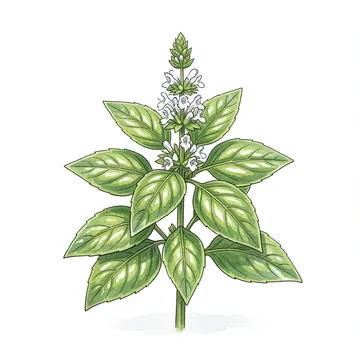
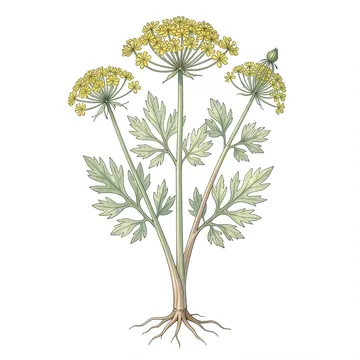
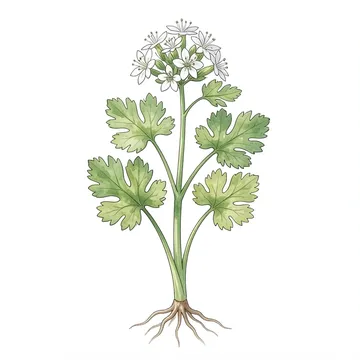
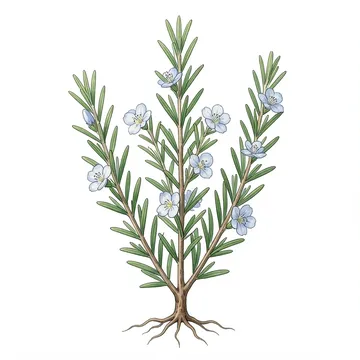
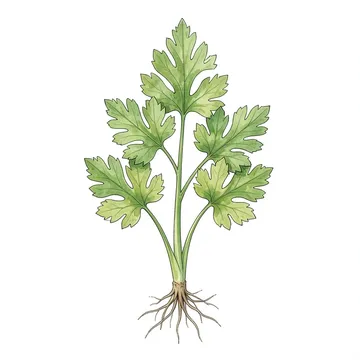
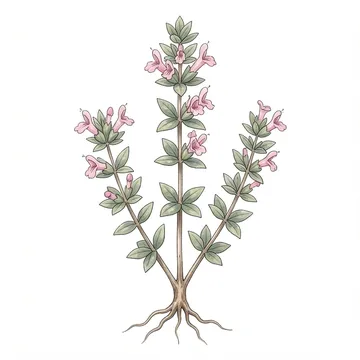
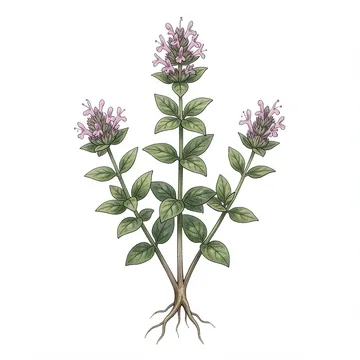
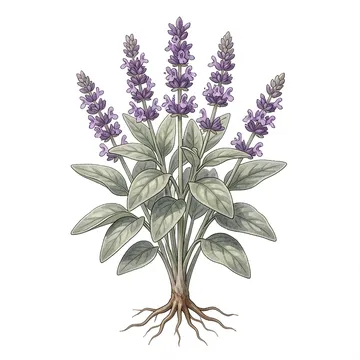
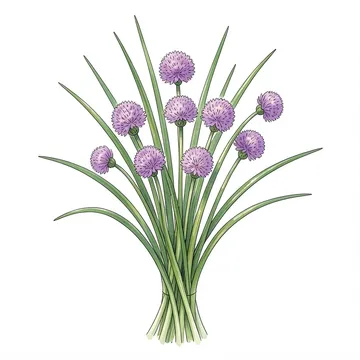
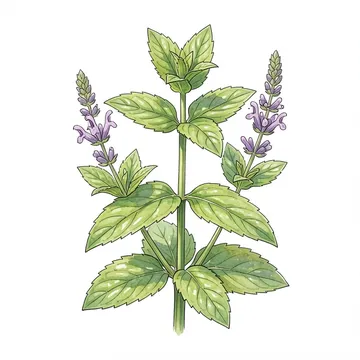
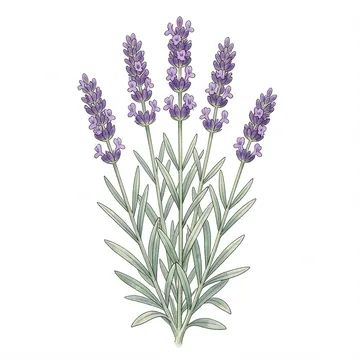
Herb companion planting has two jobs: placing herbs where they help your vegetables, and placing herbs beside each other so they all grow well. The second job gets less attention, yet it decides whether your herbs survive the summer.
Our chart covers 11 culinary herbs. Most of their pest-repelling reputations come from charts rather than trials, and we label them that way. The herbs with real research behind them earned it mainly by flowering.
Three herb families, three different jobs
Mint family (Lamiaceae): basil, rosemary, thyme, oregano, sage, mint and lavender. Aside from basil and mint, these are woody, sun-loving plants that rot in rich, wet soil. Their flowers are strong bee plants.
Carrot family (Apiaceae): dill, cilantro and parsley. They are relatives of carrots and celery and share carrot fly, so rotate them as one group with those vegetables. Their flat flower heads are the insect magnets of the herb bed.
Onion family (Amaryllidaceae): chives. Rotate them with onions and garlic, and like them, keep them out of bean and pea rows, a rule several extension charts repeat.
Herb companion planting chart: proven pairs with vegetables
- Basil with tomato: West Virginia University trials found mixed beds used space better than either crop alone, with a yield gain of about 20%. Taste tests found no reliable flavor change.
- Cilantro with tomato: organic tomatoes with coriander between them carried fewer whiteflies and less virus in Brazil.
- Dill and cilantro beside eggplant: in New Jersey, predators took more potato beetle eggs where these herbs edged the crop.
- Dill with cabbage: New Zealand researchers counted fewer winged aphids on cabbage grown among dill.
- Sage and thyme with Brussels sprouts: both reduced diamondback moth egg-laying in a greenhouse study.
- Thyme with broccoli: an Iowa study found thyme reduced looper and cabbageworm damage.
One caution: a Virginia study found some companion herbs actually increased imported cabbageworm egg-laying on collards, so herb effects are not consistent.
Which herbs grow well together, and which to keep apart
Oregano, sage and thyme are the aromatic sun-lovers the RHS likes to group together, and they make a natural trio for a dry, sunny bed edge. Rosemary and lavender belong there too. Rosemary has a big root system that competes with small crops, and lavender dislikes winter wet, so neither should sit in the middle of a watered vegetable bed.
Mint is the herb to isolate. It spreads by rhizomes and likes moist soil and some shade, the opposite of the Mediterranean group. The RHS recommends a container or a bottomless pot sunk into the soil, repotted every few years.
Within the carrot-family herbs, keep dill away from carrots (UC Davis and UF list them as incompatible) and parsley away from celery. Dill also has a disputed relationship with tomatoes: NDSU says young dill helps and mature dill stunts them, while UF simply calls it a bad companion. Basil and beans are another conflict: the UF chart lists basil as bad for beans even though popular lore says the opposite.
Let some herbs flower
Oregon State researchers watched which spring flowers hoverflies visited, and coriander topped the list. Dill umbels draw ladybirds, lacewings and predatory wasps. Parsley is a biennial that flowers in its second spring, so leave one plant to overwinter near your tomatoes and peppers.
That means accepting a few bolted plants. Succession-sow cilantro for leaves and let an older patch go to flower for the insects.
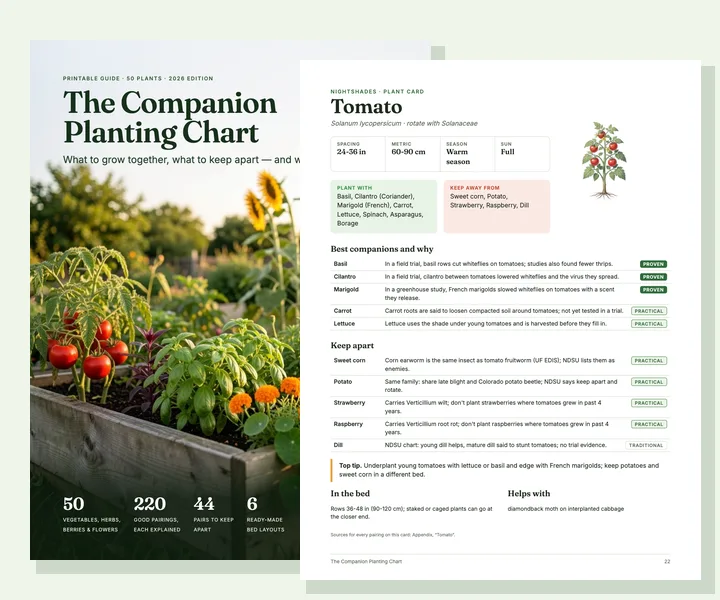
Free printable PDF
Get the complete companion planting chart
Print the 11 herb cards for your garden binder, each with spacing, soil needs and the vegetables that herb is known to help.
- 1-page fridge chart + full 50 × 50 matrix
- 50 plant cards with spacing and reasons
- 6 bed plans drawn to scale
- US Letter and A4
Frequently asked questions
Which herbs should not be planted next to each other?
Keep mint in its own pot, away from every other herb, because its runners take over. Don't put moisture-loving herbs in the same soil as rosemary, lavender, thyme or sage, which need sharp drainage. Among the carrot-family herbs, avoid planting parsley beside celery and dill beside carrots, since relatives share pests.
What three herbs grow well together?
Oregano, sage and thyme. The RHS pairs oregano with aromatic sun-lovers like these, and all three want full sun and well-drained soil. Plant them along a sunny bed edge with thyme about 8-12 inches (20-30 cm) apart, oregano at a similar distance and sage 24-30 inches (60-75 cm) apart.
What are some good companion plants for oregano?
Sage, thyme and other Mediterranean herbs share its needs. In the vegetable garden, Oregon State and NDSU material suggest oregano as a living edge beside tomatoes and peppers. That pairing is chart-based, not trial-tested, but oregano flowers do draw bees and butterflies in summer.
What not to plant around oregano?
None of our sources lists a specific foe for oregano. The practical limits are soil and space: it spreads to 30-60 cm, so give small seedlings room, and don't mix it with mint or other herbs that want constantly moist soil. Trim it after flowering to keep it compact.
Do herbs keep pests away from vegetables?
Some do, but mostly through their flowers rather than their scent. Trials support dill and cilantro strips for predators of Colorado potato beetle eggs, cilantro against whitefly on tomato, and thyme against caterpillar damage on broccoli. Many repellent claims for rosemary, mint and chives come from charts and haven't been tested.