Herbs
Lavender Companion Plants: What to Plant With Lavender
By the editorial team · Updated 2026-11-19 · Every pairing linked to its source
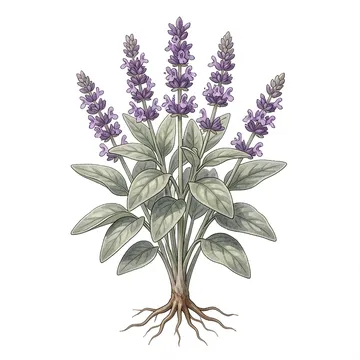
Quick answer. Rosemary is lavender's best companion: both need dry, lean, well-drained soil. Along a vegetable bed edge, lavender's flowers pull pollinators toward squash and cabbage-family crops, and charts also list onions, tomatoes and lettuce. No chart lists a foe, but lavender rots in rich, wet soil, so keep it out of thirsty beds.
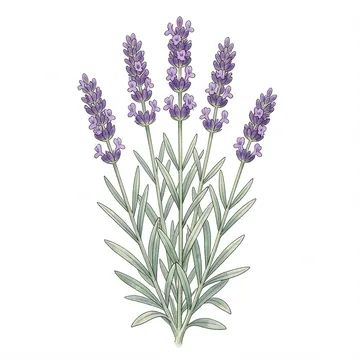
- Spacing
- 18-36 in · 45-90 cm
- Season
- Perennial
- Sun
- Full
- Rotate with
- Lamiaceae
What to plant with lavender is really a question about soil. Vegetables want fertile, moist ground. Lavender wants the opposite: poor to moderate soil, sharp drainage and no winter wet, according to the RHS. It even tolerates chalky, alkaline soil that most crops dislike.
The way around the clash is position. Plant lavender along a dry, sunny edge of the vegetable garden, not inside the bed. From there its flowers still draw bees and many other pollinators toward crops such as squash, while its roots stay in the lean soil it needs.
Lavender companion chart
Good companions
| Plant | Why | Evidence | |
|---|---|---|---|
| Cabbage | Cabbage plantings gain pollinator traffic from lavender flowers nearby. | Practical | source |
| Zucchini (summer squash) | Zucchini flowers get extra pollinator visits from bees drawn to lavender. | Practical | source |
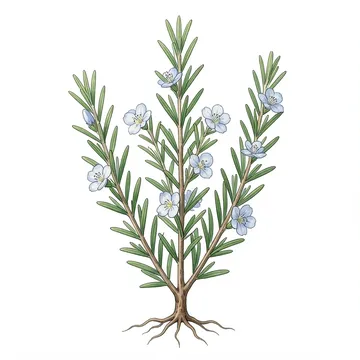
| Rosemary | Lavender and rosemary both need dry, lean soil, so they grow well together. | Practical | source |
| Onion | Lavender is traditionally said to help onions and garlic; no trial yet. | Traditional | source |
| Tomato | Lavender is traditionally said to help tomatoes; untested — try it and see. | Traditional | source |
| Lettuce | Lavender is traditionally said to help lettuce and spinach; no trial yet. | Traditional | source |
Keep apart
No well-documented conflicts. See the notes below for general cautions.
Proven Backed by a field trial or published study. Practical Recommended by a university extension or the RHS, with a clear reason. Traditional Gardener lore; no trial found yet.
What to Plant With Lavender
A herb that shares its soil
- Rosemary — Practical. The UF herb chart pairs them. Lavender and rosemary both want dry, lean soil, so they can share a border without either being watered wrongly.
Vegetables that benefit from its flowers
- Zucchini — Practical. Oregon State lists lavender for squashes; pollinators drawn by lavender visit nearby squash flowers.
- Cabbage — Practical. Oregon State lists lavender as enhancing cole crops, and its flowers draw pollinators.
Other chart listings
- Onion — Traditional. Oregon State lists lavender as enhancing onion and garlic.
- Tomato — Traditional. Listed by Oregon State.
- Lettuce — Traditional. Oregon State lists it with lettuce and spinach.
In every case, the lavender sits at the edge, and the vegetable sits inside the bed where it can be fed and watered.
What Not to Plant With Lavender
No chart we used names a plant to keep away from lavender. The real incompatibility is growing conditions:
- Rich, wet soil. Lavender rots in it. Do not tuck it between heavily fed, heavily watered vegetables.
- Thirsty neighbors in the same spot. If a plant needs daily watering, it should not share lavender's root zone.
- Mint. Not a listed foe, but mint likes moist soil, so the two make poor bedfellows.
The UF herb chart also claims lavender repels moths. That is a chart claim with no trial behind it.
Soil type is on lavender's side here. The RHS notes it tolerates chalky, alkaline ground that many vegetables dislike, so an awkward, stony strip along the plot edge can suit it better than your best bed. That frees the rich soil for the crops.
Lavender Companion Plants Along a Bed Edge
The top tip from our sources is to plant lavender along a dry, sunny bed edge rather than among vegetables. A layout:
- Choose the sunniest, best-drained side of the vegetable plot.
- Plant lavender in a line along it, with rosemary at one end if you have room.
- Put zucchini or another squash in the row closest to the lavender, so pollinators move straight from one to the other.
- Keep the vegetable side mulched and watered at the roots, and leave the lavender strip dry.
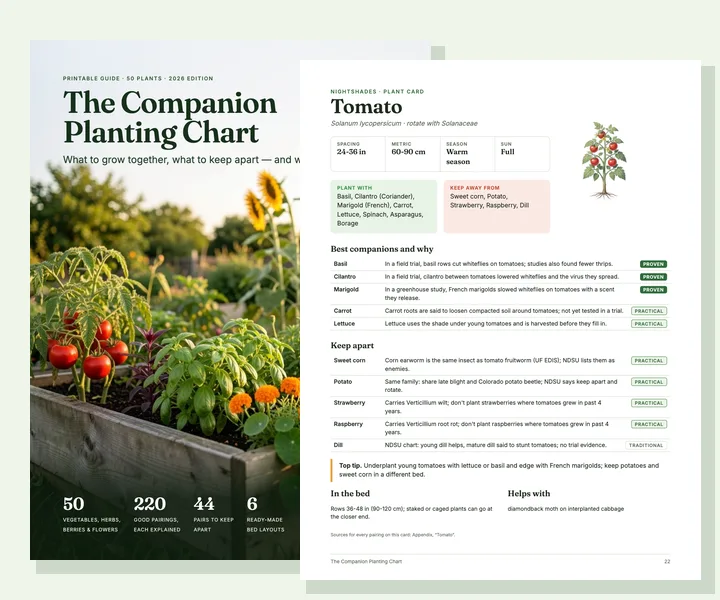
Free printable PDF
Get the complete companion planting chart
The PDF's bed plans show a lavender edge beside squash and cabbage drawn to scale, so you can print the layout and plant the dry strip in the right place.
- 1-page fridge chart + full 50 × 50 matrix
- 50 plant cards with spacing and reasons
- 6 bed plans drawn to scale
- US Letter and A4
Lavender for Pollinators
Lavender is a perennial that attracts bees and many other pollinators, which is its clearest value to a vegetable garden. Squash flowers are bee-pollinated, so a lavender edge beside them puts forage right where it helps. Plant it once and it keeps doing that job each summer. Because lavender is long-lived, the edge you plant this year will still be feeding bees when the vegetables beside it have rotated through several seasons.
Does It Really Work?
Every lavender pairing comes from the Oregon State sheet or the UF herb chart, and no trial has tested them. The pollinator benefit is the most believable part, since lavender reliably draws bees. The moth-repellent claim is unproven. Grow lavender at a dry edge for its flowers, and do not try to force it into vegetable-bed conditions.
Frequently asked questions
What does not grow well with lavender?
No chart we checked lists a specific foe for lavender. What does not work is planting it among thirsty, heavily fed crops: lavender rots in rich, wet soil, according to the RHS. Keep moisture-lovers such as mint, and any crop you water daily, out of its root zone.
What are the best plants to grow next to lavender?
Rosemary is the best match, paired in the UF herb chart and needing the same dry, lean soil. Along a vegetable bed, squash and cabbage-family crops gain from the pollinators lavender attracts, and Oregon State also lists onions, tomatoes and lettuce.
Can lavender be planted with vegetables?
Yes, at the edge rather than inside the bed. Oregon State lists lavender with squash, cabbage, onions, tomatoes and lettuce. Plant it along a dry, sunny border so its roots stay in lean soil while its flowers draw pollinators to the crops.
How far apart should lavender be planted?
The RHS spaces lavender 30–45 cm apart for a hedge and about 90 cm in groups; Texas A&M gives 18 in. A hedge spacing suits a continuous bed edge beside vegetables, with wider gaps for individual plants in a herb border.
Does lavender like dry soil?
Yes. Lavender prefers poor to moderate, sharply drained soil and dislikes winter wet, according to the RHS. It also tolerates chalky, alkaline soil. That is why it pairs with rosemary and works best at a dry bed edge rather than in moist vegetable soil.