Nightshades
Tomato Companion Plants: What to Grow With Tomatoes (and What to Keep Away)
By the editorial team · Updated 2026-11-19 · Every pairing linked to its source
Quick answer. The best tomato companion plants are basil, cilantro and French marigolds, which reduced whitefly in trials, plus lettuce or spinach to use the bed early and carrots to share the soil. Keep potatoes, sweet corn, strawberries and raspberries away from tomatoes, and avoid planting near black walnut trees.
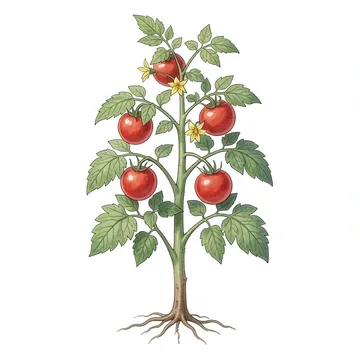
- Spacing
- 24-36 in · 60-90 cm
- Season
- Warm season
- Sun
- Full
- Rotate with
- Solanaceae
Tomatoes are warm-season, full-sun plants that need 24–36 in (60–90 cm) each, and staked or caged plants can sit at the closer end. That leaves a lot of bare soil for the first few weeks after transplanting, which is exactly where good tomato companion plants earn their place.
The pest that companion research focuses on for tomatoes is whitefly, along with the viruses it spreads. The bigger threats from bad neighbors are shared diseases: late blight, Verticillium wilt and a caterpillar that attacks both tomatoes and sweet corn. Choosing what to plant with tomatoes is mostly about adding the first group and keeping the second out of the bed.
Tomato companion chart
Good companions
| Plant | Why | Evidence | |
|---|---|---|---|
| Basil | In a field trial, basil rows cut whiteflies on tomatoes; studies also found fewer thrips. | Proven | source |
| Cilantro (Coriander) | In a field trial, cilantro between tomatoes lowered whiteflies and the virus they spread. | Proven | source |
| Marigold (French) | In a greenhouse study, French marigolds slowed whiteflies on tomatoes with a scent they release. | Proven | source |
| Carrot | Carrot roots are said to loosen compacted soil around tomatoes; not yet tested in a trial. | Practical | source |
| Lettuce | Lettuce uses the shade under young tomatoes and is harvested before they fill in. | Practical | source |
| Spinach | Sow spinach early; set tomato transplants in as you harvest the spinach. | Practical | source |
| Asparagus | A long-standing pairing; the idea that tomatoes repel asparagus beetles is unproven. | Traditional | source |
| Borage | Gardeners plant borage to deter tomato hornworms; no trial has confirmed it yet. | Traditional | source |
| Celery | A common pairing in gardeners' guides; no known reason or trial behind it — try it and see. | Traditional | source |
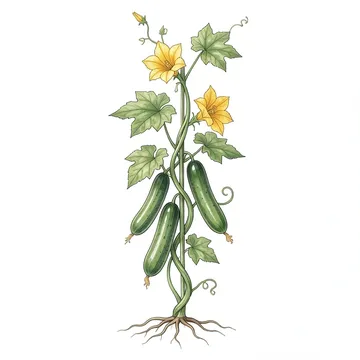
| Cucumber | Often grown together in home gardens; no trial or mechanism yet, so judge by your own results. | Traditional | source |
| Garlic | A traditional tomato partner; the idea that its scent repels pests is unproven. | Traditional | source |
| Nasturtium | A traditional pairing; nasturtium cut whiteflies in a greenhouse study, not yet shown outdoors. | Traditional | source |
| Onion | Onions are a classic tomato companion; no trial yet, but they take little space. | Traditional | source |
| Parsley | Long paired with tomatoes; parsley flowers host beneficial insects when left to bloom. | Traditional | source |
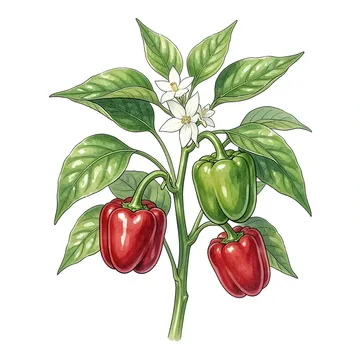
| Pepper | A traditional pairing; both are nightshades, so rotate them to a new bed together. | Traditional | source |
| Oregano | Oregano likes the same full sun and well-drained soil as tomatoes; benefit untested. | Traditional | source |
| Chives | A favorite tomato companion in many guides; no trial yet — tuck chives in and watch. | Traditional | source |
| Mint | Gardeners say mint keeps tomatoes healthier; untested, and mint spreads, so keep it in a pot. | Traditional | source |
| Lavender | Traditionally said to help tomatoes; no trial yet, so treat it as worth a try. | Traditional | source |
| Sunflower | An old-school tomato companion; no trial behind it, so watch how your bed responds. | Traditional | source |
Keep apart
| Plant | Why | Evidence | |
|---|---|---|---|
| Sweet corn | Corn earworm also attacks tomatoes as tomato fruitworm; keep the two crops apart. | Practical | source |
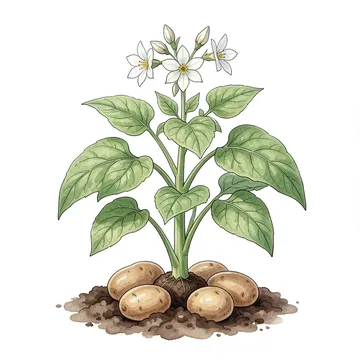
| Potato | Potatoes share late blight and Colorado potato beetle with tomatoes; keep them apart and rotate. | Practical | source |
| Strawberry | Tomatoes carry Verticillium wilt; don't plant strawberries where tomatoes grew in the past four years. | Practical | source |
| Raspberry | Tomatoes carry Verticillium; don't plant raspberries where tomatoes grew in the past four years. | Practical | source |
| Dill | Young dill is said to help, but mature dill may stunt tomatoes; untested. | Traditional | source |
Proven Backed by a field trial or published study. Practical Recommended by a university extension or the RHS, with a clear reason. Traditional Gardener lore; no trial found yet.
What to Plant With Tomatoes
Pest help
- Basil — Proven. Rows of basil reduced whitefly on tomatoes in a Kenyan field trial, and other studies recorded fewer thrips. It also grows in the same sun and soil, so it is the easiest first pick.
- Cilantro — Proven. A coriander intercrop lowered whitefly and the whitefly-borne virus in organic tomatoes in a Brazilian trial.
- Marigold — Proven. French marigolds slowed glasshouse whitefly on tomato through the limonene they release into the air (Newcastle University study). The RHS adds that part of the effect may simply come from having more plant variety around.
Using the space
- Lettuce — Practical. Oregon State suggests tucking lettuce under tomatoes, where it uses the shade before the tomato canopy fills in.
- Spinach — Practical. University of Minnesota Extension describes sowing spinach early, then transplanting tomatoes into the bed as the spinach is cut.
Soil
- Carrot — Practical. Oregon State says carrot roots loosen compacted soil around tomatoes, though no trial is cited.
Traditional pairings from university charts, with no trial behind them: borage (said to deter hornworm), parsley (its flowers host beneficial insects), chives, onion, garlic, oregano, nasturtium, celery, cucumber, asparagus, lavender, sunflower and mint. Pepper is listed too, but it is the same family, so rotate the two as one group.
What Not to Plant With Tomatoes
- Potato — Practical. Same family. Potatoes and tomatoes share late blight and Colorado potato beetle, and NDSU advises keeping them apart and rotating both.
- Corn — Practical. Corn earworm is the same insect as tomato fruitworm (UF/IFAS), so a corn row next to tomatoes feeds one pest twice. NDSU lists them as enemies.
- Strawberry and raspberry — Practical. Tomatoes carry Verticillium. Extension services advise against planting strawberries or raspberries where tomatoes grew in the past four years.
- Dill — Traditional. NDSU's chart says young dill helps but mature dill stunts tomatoes. There is no trial on this, so pull dill before it flowers if you want to be cautious.
Outside the main 50 plants, Purdue and University of Wisconsin note that black walnut injures tomatoes through juglone, so keep tomato beds outside the tree's drip line. Fennel and kohlrabi also appear as bad tomato companions in the UF, UC and NDSU charts (Traditional).
One conflict worth knowing: UC Davis lists the cabbage family as incompatible with tomatoes, yet field trials such as one in Puerto Rico found tomato intercrops reduced diamondback moth on cabbage, though the tomatoes competed with the cabbage for space.
What to Plant at the Base of Tomato Plants
The ground under a young tomato is the most underused spot in the garden. Two low crops fit there well:
- Lettuce or spinach first. Sow them in early spring, then set tomatoes in as the greens are picked. The greens are done before the tomato shades the whole bed.
- Basil around the stem. Set it between the tomato plants so both get light, and pinch it often to keep it low.
Edge the bed with French marigolds rather than crowding them against the tomatoes. Rows between tomato plants run 36–48 in (90–120 cm), so a marigold border along the outside costs no growing room.
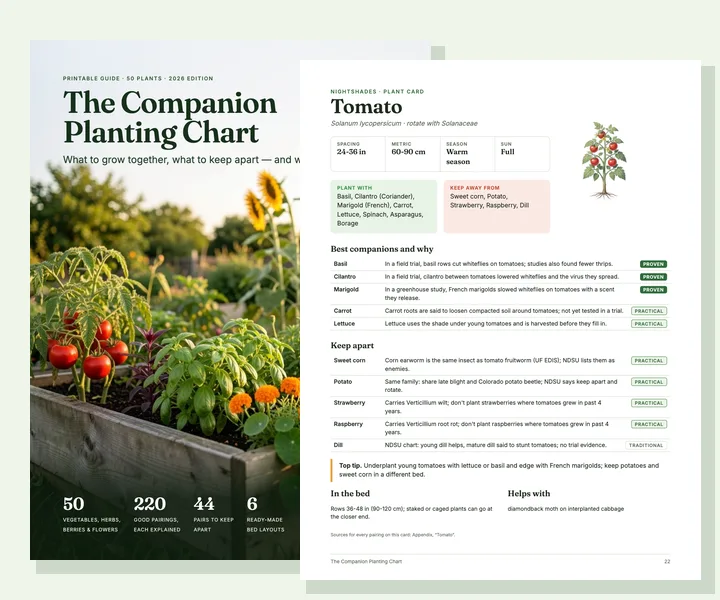
Free printable PDF
Get the complete companion planting chart
Print the tomato card and the bed plans drawn to scale, and keep them in the garden while you plant.
- 1-page fridge chart + full 50 × 50 matrix
- 50 plant cards with spacing and reasons
- 6 bed plans drawn to scale
- US Letter and A4
Using Companions Against Whitefly
Whitefly is where the tomato evidence is strongest. Three different companions—basil, coriander and French marigold—have each reduced it in at least one study, and coriander also cut the virus whitefly carries. None of these is a cure. They work best as part of a mixed bed: basil inside the rows, marigolds at the edges, and cilantro sown in cooler weeks before it bolts.
For hornworm, the borage claim comes only from a UF/IFAS herb chart. Hand-picking is still the dependable control.
Does It Really Work?
For tomatoes, more than for most crops. Three companions have trial results, all against whitefly. The "keep apart" advice for potatoes, corn and the cane and strawberry crops rests on shared pests and diseases documented by extension services, which makes it practical advice rather than lore. Most of the long list of herbs and flowers is traditional: harmless to try, but don't expect them to change your harvest. See the full evidence guide.
Frequently asked questions
What should you not plant tomatoes next to?
Keep tomatoes away from potatoes, which share late blight and Colorado potato beetle, and from sweet corn, because corn earworm and tomato fruitworm are the same insect. Don't follow tomatoes with strawberries or raspberries for four years because of Verticillium. Avoid black walnut trees, and charts also list fennel, kohlrabi and mature dill as poor neighbors.
What is the best companion plant for tomatoes?
Basil is the best all-round choice. A field trial in Kenya found basil rows reduced whitefly on tomatoes, other studies noted fewer thrips, and it needs the same full sun and warm soil. Cilantro and French marigolds also cut whitefly in trials, so a bed with all three gives you the best-supported mix.
What to plant at the base of tomato plants?
Lettuce and spinach are the usual choices. Oregon State suggests lettuce under tomatoes because it uses shaded space before the canopy closes, and University of Minnesota Extension recommends sowing spinach early and planting tomatoes in as you harvest it. Basil also fits close to the stem if you keep it trimmed.
Can I plant zucchini next to tomatoes?
Nothing in the extension charts we use lists zucchini as a tomato companion or a tomato foe. The practical issue is room: zucchini needs about 24 in (60 cm) and spreads wide, while tomatoes need 24–36 in. Give each its own space so the squash leaves don't shade the young tomatoes.
What to grow in a garden bed with tomatoes?
A good tomato bed combines basil between plants, lettuce or spinach underneath early in the season, and French marigolds along the edge. Carrots can share the bed as well. Leave potatoes, sweet corn and any other nightshade crops for a separate bed, and rotate peppers and eggplant with tomatoes as one family.