Nightshades
Pepper Companion Plants: Best Neighbors for Bell and Hot Peppers
By the editorial team · Updated 2026-11-19 · Every pairing linked to its source
Quick answer. Good pepper companion plants are sunflowers, whose borders built up thrips predators in Florida research, and French marigolds grown beforehand against root-knot nematodes. Lettuce or spinach can use the bed first. Don't plant strawberries or raspberries where peppers grew, and keep peppers away from black walnut.
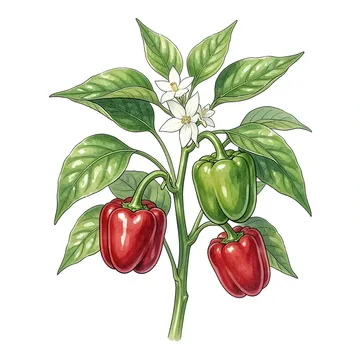
- Spacing
- 12-24 in · 30-60 cm
- Season
- Warm season
- Sun
- Full
- Rotate with
- Solanaceae
Peppers are warm-season nightshades that want full sun, 12–24 in (30–60 cm) between plants and rows about 36 in (90 cm) apart. Bell and hot peppers alike start slowly after transplanting, so the bed sits half-empty for weeks in late spring.
The two problems companion research addresses for peppers are thrips and root-knot nematodes, and both answers involve a flower rather than a vegetable. The main reason to keep some crops away is Verticillium, a soil disease peppers can pass on to berry plants that follow them.
Pepper companion chart
Good companions
| Plant | Why | Evidence | |
|---|---|---|---|
| Marigold (French) | Grown as a dense crop two months before peppers, French marigold suppresses root-knot nematodes. | Proven | source |
| Sunflower | In research, sunflower borders built up pirate bugs that kept thrips down in peppers. | Proven | source |
| Lettuce | Sow lettuce early; set pepper transplants in as you harvest the lettuce. | Practical | source |
| Spinach | Sow spinach early; set peppers in as the spinach comes out. | Practical | source |
| Basil | A traditional pepper partner; not yet tested with peppers specifically. | Traditional | source |
| Eggplant | A traditional pairing; both are nightshades, so rotate them together. | Traditional | source |
| Okra | Tall okra can act as a windbreak for brittle pepper plants. | Traditional | source |
| Onion | Onions are a common pepper companion among gardeners; no trial yet. | Traditional | source |
| Oregano | Oregano is said to distract aphids from peppers; an old idea, still untested. | Traditional | source |
| Tomato | Tomatoes and peppers are a traditional pair; as nightshades, they move to a new bed together. | Traditional | source |
| Parsley | Long said to help peppers; no trial yet — try it and see. | Traditional | source |
Keep apart
| Plant | Why | Evidence | |
|---|---|---|---|
| Strawberry | Peppers host Verticillium; avoid planting strawberries where peppers recently grew. | Practical | source |
| Raspberry | Peppers host Verticillium; avoid planting raspberries where peppers recently grew. | Practical | source |
Proven Backed by a field trial or published study. Practical Recommended by a university extension or the RHS, with a clear reason. Traditional Gardener lore; no trial found yet.
What to Plant With Peppers
Pest help
- Sunflower — Proven. Florida research found that sunflower borders build up minute pirate bugs, small predators that suppress thrips in pepper fields. Plant a row along the sunny edge so the tall flowers don't shade the peppers.
- Marigold — Proven, with a condition. French marigold suppresses root-knot nematodes when grown as a pre-crop, about two months before the peppers go in. Dotting a few marigolds between finished pepper plants is not what was tested.
Using the space
- Lettuce — Practical. Sow lettuce early in the season, then transplant peppers into the bed as you cut the lettuce (University of Minnesota Extension).
- Spinach — Practical. The same succession works with spinach, which is ready even sooner in cool spring weather.
Traditional pairings
- Basil appears with peppers in the UF/IFAS chart, but no pepper-specific trial exists. It is still a sensible bedmate with the same sun needs.
- Onion, oregano and parsley are listed by NDSU, UF or Oregon State. The oregano aphid claim is untested.
- Okra is suggested by gardeners as a windbreak for brittle pepper stems.
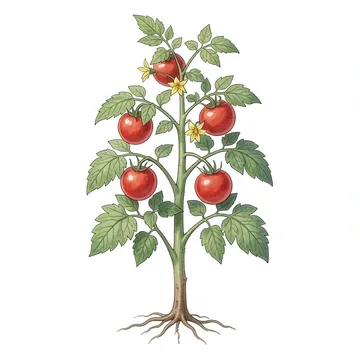
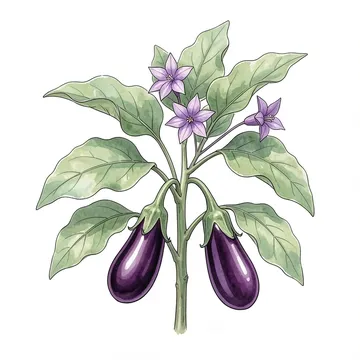
- Tomato and eggplant are charted as companions, but they are the same family. Grow them side by side if you like, then rotate all three together.
What Not to Plant With Peppers
The pepper foe list is short and is about the soil rather than the leaves.
- Strawberry — Practical. Peppers host Verticillium. Extension advice is to avoid planting strawberries where peppers recently grew.
- Raspberry — Practical. The same Verticillium risk applies to raspberries, which stay in the ground for years once planted.
Outside the 50 plants we cover, black walnut releases juglone, which injures peppers (Purdue, University of Wisconsin). Site pepper beds away from walnut roots and drip lines.
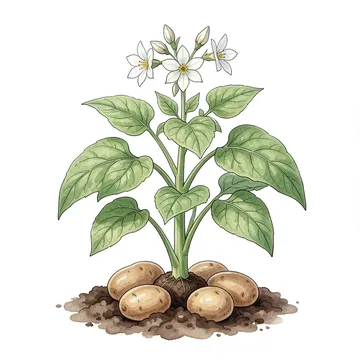
No chart we checked lists a common vegetable that harms peppers directly. The bigger risk is planting peppers in soil that grew tomatoes, eggplant or potatoes last year.
Can You Plant Peppers and Tomatoes Together?
Yes. NDSU and UF charts both list them as companions, and they want the same sun, warmth and feeding. The catch is that they are both Solanaceae, so for crop rotation they count as one crop. Plan a bed of tomatoes, peppers and eggplant together, then move that whole group on next year. NDSU suggests three years out of nightshades after potatoes.
If you're short on space, a salsa garden bed groups peppers with tomatoes and onions, two neighbors the extension charts already list for peppers.
Greens First, Peppers Second
Peppers go out late, after the soil warms. That gap is the easiest win in the pepper bed. Sow lettuce or spinach in rows as soon as the soil can be worked, leaving gaps at the 12–24 in pepper spacing. When it's time to transplant, set peppers into the gaps and keep harvesting the greens around them. By the time the peppers branch out, the greens are finished.
Free printable PDF
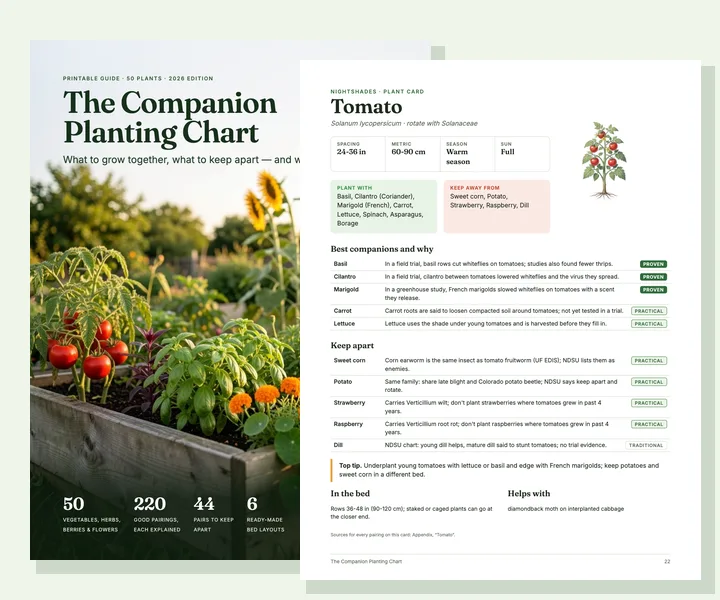
Get the complete companion planting chart
Grab the pepper card and the season planner so you know exactly when to sow the spring greens and when the peppers take over the bed.
- 1-page fridge chart + full 50 × 50 matrix
- 50 plant cards with spacing and reasons
- 6 bed plans drawn to scale
- US Letter and A4
Laying Out a Pepper Bed With Companions
Peppers sit 12–24 in (30–60 cm) apart, which leaves room for low neighbors but not for anything that sprawls. A layout that uses the supported pairings:
- North edge: a row of sunflowers, so their height doesn't shade the peppers and the minute pirate bugs they host are close by.
- Between plants: basil or parsley, both low enough to stay out of the peppers' light.
- Windward side: okra, if your peppers tend to snap in summer storms.
- The season before: French marigolds over the whole bed, if root-knot nematodes have been a problem.
Keep the berry patch on the far side of the garden.
Does It Really Work?
Partly. The sunflower–thrips link and the marigold–nematode pre-crop are real research results, but each works in a specific way: a border that hosts predators, and a crop grown before the peppers. Most other pepper pairings come from charts with no pepper trials behind them. The foes are solid, but they rest on a shared soil disease, not on peppers harming their neighbors.
Frequently asked questions
What should not be planted near peppers?
Avoid planting strawberries or raspberries where peppers recently grew, because peppers host Verticillium, a soil disease that affects both berries. Keep pepper beds away from black walnut trees, whose juglone injures peppers. Also avoid putting peppers where tomatoes, eggplant or potatoes grew last year, since they share pests and diseases.
What does a pepper plant pair well with?
Sunflowers along the edge are the best-supported companion, because Florida research found sunflower borders build minute pirate bugs that suppress thrips. French marigolds grown about two months before planting reduce root-knot nematodes. Lettuce or spinach can occupy the bed early, and basil, onions and parsley are traditional pairings.
Can I plant different types of pepper plants together?
Yes. Bell and hot peppers are the same species, Capsicum annuum, with the same sun, spacing and soil needs, so they can share a bed at 12–24 in (30–60 cm) apart. Treat them as one crop for rotation, along with tomatoes, eggplant and potatoes, and move the whole group each year.
Can you plant peppers and tomatoes together?
Yes. NDSU and UF charts list peppers and tomatoes as companions, and both need full sun and warm soil. Because they belong to the same family, they share some diseases and must be rotated together. Plant them in the same bed this year, then move both to a new bed next year.