Root crops
Sweet Potato Companion Plants: What to Grow With Sweet Potatoes
By the editorial team · Updated 2026-11-19 · Every pairing linked to its source
Quick answer. Good sweet potato companion plants are compact ones that stay out of the vines' way: bush beans at the bed edge, heat-tolerant thyme, and marigolds, which help with nematodes only when grown as a pre-crop. Keep pumpkins and winter squash away, since the vines tangle. Okra is disputed between sources.
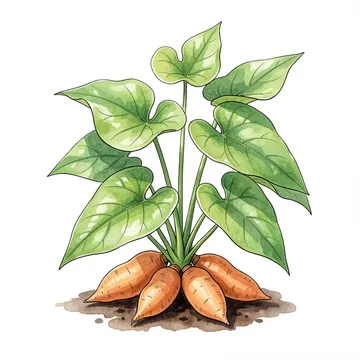
- Spacing
- 12 in · 30 cm
- Season
- Warm season
- Sun
- Full
- Rotate with
- Convolvulaceae (not a nightshade)
Sweet potatoes grow from slips planted on raised ridges, about 12 in (30 cm) apart in rows 36–48 in (90–120 cm) wide. They are a warm-season, full-sun crop whose vines run across the ground and spread wide by midsummer.
Despite the name, sweet potato isn't a potato or even a nightshade. It belongs to the morning glory family (Convolvulaceae), so it doesn't share late blight or potato beetle with tomatoes and potatoes, and it doesn't count in a nightshade rotation. Its companion questions are mostly about space and soil nematodes.
Sweet potato companion chart
Good companions
| Plant | Why | Evidence | |
|---|---|---|---|
| Beans (bush & pole) | Compact bush beans add some nitrogen without shading the sweet potato vines. | Traditional | source |
| Marigold (French) | Marigolds are suggested for nematodes, but only proven when grown as a crop beforehand. | Traditional | source |
| Peas | A traditional pairing; in most areas the two grow in different seasons. | Traditional | source |
| Thyme | Heat-tolerant thyme suits the bed edges; the idea that it repels pests is untested. | Traditional | source |
Keep apart
| Plant | Why | Evidence | |
|---|---|---|---|
| Pumpkin | Sprawling vines tangle and crowd each other, making harvest hard. | Traditional | source |
| Winter squash | Both vines sprawl, tangle and crowd each other, making harvest hard. | Traditional | source |
Proven Backed by a field trial or published study. Practical Recommended by a university extension or the RHS, with a clear reason. Traditional Gardener lore; no trial found yet.
What to Plant With Sweet Potatoes
All sweet potato pairings in our sources are Traditional—garden advice or chart listings without trials.
- Beans — compact bush beans add some nitrogen without shading the vines. Keep them to the bed edge so the vines can run.
- Marigold — often suggested for nematodes and beneficial insects. UF EDIS has shown a nematode benefit only when marigolds are grown as a pre-crop before the main crop, not when mixed in.
- Thyme — heat-tolerant thyme suits the dry edges of a sweet potato ridge. The pest-repellent claim is untested.
- Peas — the UF/IFAS chart lists sweet potato as a pea companion, but in most areas the two grow in different seasons: peas in cool spring, sweet potatoes in summer heat. In practice, peas can come before sweet potatoes in the same bed.
Whatever you add, remember that the vines will reach it by midsummer. A companion that needs sun all season should sit well outside the sweet potato rows.
What Not to Plant With Sweet Potatoes
- Pumpkin — Traditional. Both crops sprawl. Their vines tangle and crowd each other, and harvesting either becomes difficult.
- Winter squash — Traditional. The same problem with tangled, competing vines.
Okra is a conflict. One garden source recommends okra beside sweet potatoes for its light shade. Another says to avoid them together because both build up root-knot nematodes. If nematodes have been a problem in your soil, keep them apart.
None of these warnings comes from a trial; they're practical cautions about vines and soil.
Giving Sweet Potato Vines Their Own Space
The practical rule for sweet potatoes is to let them have a bed, or at least one end of a bed, to themselves. The vines will cover everything within reach, so companions belong on the outside:
- A row of bush beans along one long edge.
- Thyme at the corners or ends of the ridges.
- Marigolds grown in the bed the season before, if nematodes are a concern.
Keep pumpkins and winter squash in a separate bed altogether. Two sprawling crops in one space means neither is easy to reach at harvest.
Sweet Potato vs Potato: Different Families, Different Rules
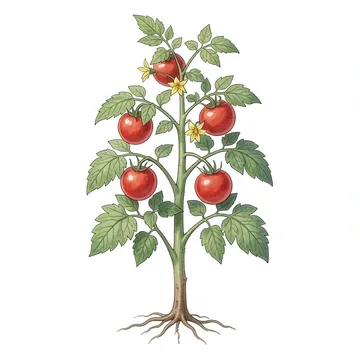
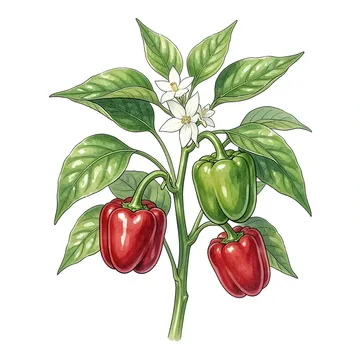
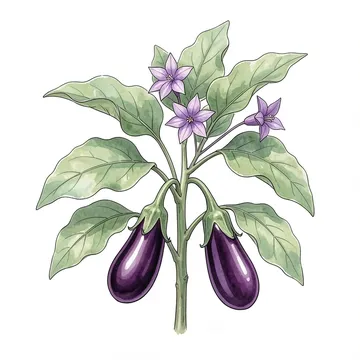
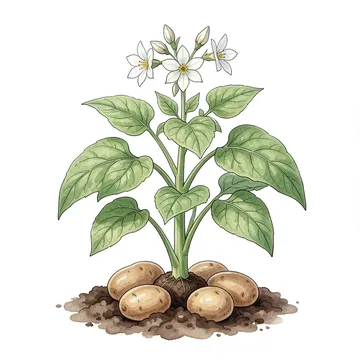
Because potato and sweet potato share a name, gardeners often apply potato rules to both. They don't belong together in a rotation. Potatoes are nightshades, rotated with tomatoes, peppers and eggplant. Sweet potatoes are in the morning glory family and can follow a nightshade crop. The potato foes—tomatoes, strawberries, raspberries—are about diseases sweet potatoes don't share.
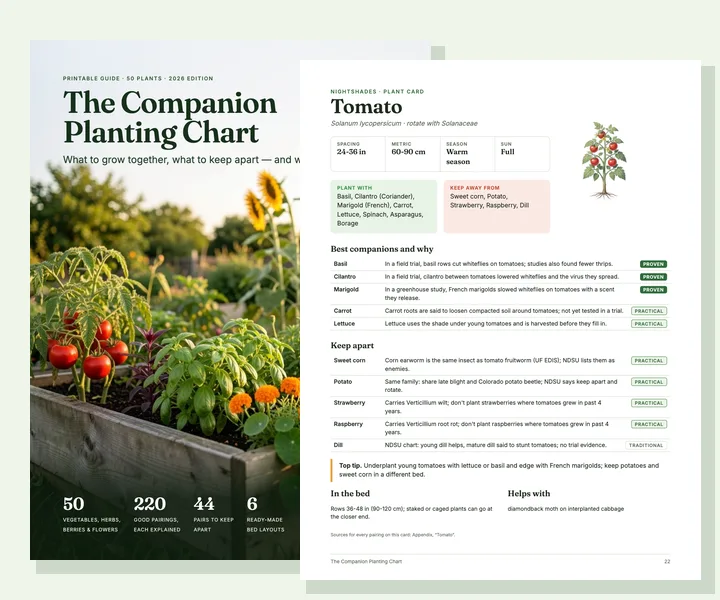
Free printable PDF
Get the complete companion planting chart
The rotation sheet in the PDF places sweet potatoes in their own family, so you can slot them after nightshades without breaking the three-year rule.
- 1-page fridge chart + full 50 × 50 matrix
- 50 plant cards with spacing and reasons
- 6 bed plans drawn to scale
- US Letter and A4
Timing Peas and Sweet Potatoes in One Bed
The UF/IFAS chart lists sweet potato as a pea companion, but the two crops rarely grow at the same time. Peas are a cool-season crop sown early in spring; sweet potatoes are a warm-season crop planted as slips once the weather warms. That makes them a natural sequence rather than a mixture.
Sow peas in the bed in early spring, at 2–4 in (5–10 cm) apart, and harvest them by early summer. Then build the ridges and plant sweet potato slips at about 12 in (30 cm) apart. The peas use the bed while it would otherwise sit empty, and they're gone before the vines need the room.
Does It Really Work?
Sweet potato companion planting is entirely traditional in our sources. The useful ideas are about space and timing: compact neighbors at the edges, sprawling crops elsewhere, and marigolds as a pre-crop rather than a mixed planting. Sources disagree about okra, so let your own nematode history decide.
Frequently asked questions
What is a good companion for sweet potatoes?
Compact bush beans are a good choice, adding some nitrogen without shading the vines. Thyme suits the dry ridge edges, and marigolds help against nematodes when grown as a pre-crop the season before. All of these are traditional pairings without sweet potato trials, so keep companions at the edges where the vines won't cover them.
What do sweet potatoes pair well with?
Sweet potatoes pair best with low, compact neighbors placed along the bed edge: bush beans, thyme and marigolds. Peas are listed as a companion in the UF chart, but they usually grow in spring before sweet potatoes go in. Avoid pumpkins and winter squash, whose vines tangle with sweet potato vines.
What should not be planted with sweet potatoes?
Pumpkins and winter squash are poor neighbors because both sprawl and their vines tangle with sweet potato vines, making harvest hard. Okra is disputed: one garden source likes its light shade, while another warns that both crops build up root-knot nematodes. If nematodes are a known problem, keep okra away.
Is sweet potato a nightshade?
No. Sweet potato belongs to the morning glory family, Convolvulaceae, not the nightshade family like potatoes, tomatoes and peppers. It doesn't share their late blight or Colorado potato beetle, and it doesn't count against a three-year nightshade rotation, so it can follow tomatoes or potatoes in a bed.